Rohingya Crisis
Rohingya Crisis
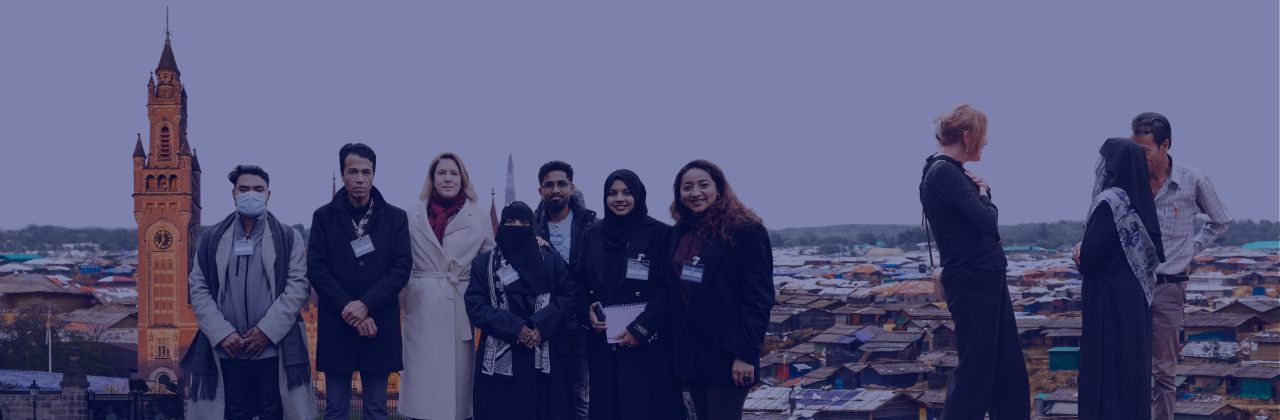
Nearly a million Rohingya live in the camps in Cox’s Bazar, most forcibly displaced from Myanmar during the 2017 “clearance operations”. LAW has worked with that community since 2018 and is currently the only international organisation documenting serious international crimes against the Rohingya in Rakhine State while maintaining a permanent presence in the camps.
LAW provides legal representation and assistance to over 500 Rohingya survivors and witnesses in proceedings including The Gambia v. Myanmar at the International Court of Justice, the ICC investigation, and the universal jurisdiction case before an Argentinian federal court. Its network of 70 Survivor Advocates sits at the heart of the programme, reaching 11,459 people through weekly community sessions in 2025 alone, with a further 9,698 reached by trained Rohingya disseminators and over 302,111 views generated through Rohingya digital creators.
Latest on Rohingya Crisis
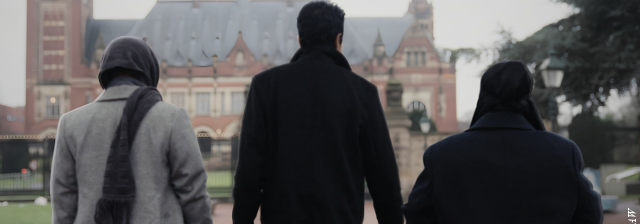
ICJ: Navigating the Forthcoming Genocide Judgment in The Gambia v. Myanmar
For nine years, Rohingya survivors have carried a truth the world has been slow to confront: that the violence inflicted…
Read More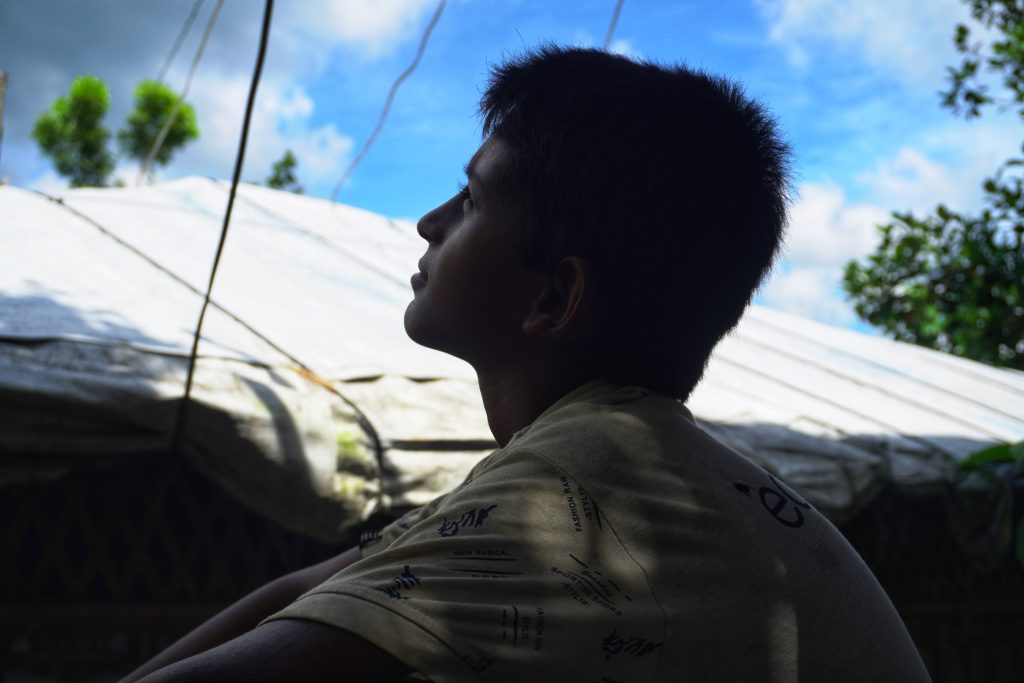
“First They Called Me Foreigner. Then I Was Forced to Flee.”
By Samir Sadaf*, a 23-year-old Rohingya youth from Saliprang village in Rakhine State, Myanmar, now living in the refugee camps…
Read More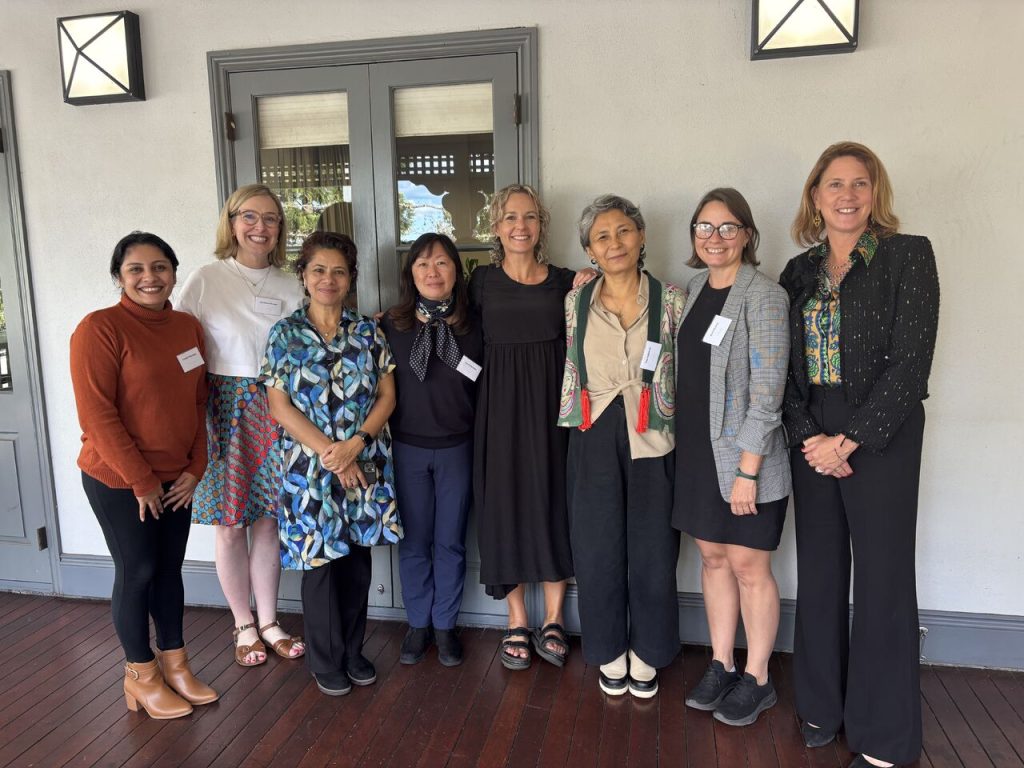
Universal Jurisdiction and the Pursuit of Accountability in the Asia-Pacific
Keynote Address Brisbane, Australia 20 May 2026 Two-days workshop “Prosecuting Asia-Pacific International Crimes in Domestic Courts”, organised by Griffith University…
Read MoreWhat we do in Rohingya Crisis

Gender Equality & GBV
LAW’s Survivor Advocates network includes 31 women, 31 men and eight members of the hijra community, and all of LAW’s female survivor advocates belong to the wider women led network Shanti Mohila, or Peace Women. LAW gathered more than 330 pages of witness testimony for The Gambia’s legal team at the ICJ and undertook multi-disciplinary research linking the long term physical and psychosocial impact of gender based violence against Rohingya to the crime of genocide.

Accountability & Rule of Law
LAW has made five victim submissions to the ICC and the Prosecutor across every key stage of the Bangladesh/Myanmar situation, filed the first complaint by a Rohingya complainant to the Myanmar National Human Rights Commission, and led the mission that took Rohingya survivors to testify before a federal court in Buenos Aires, the first time any survivor of the clearance operations gave evidence before a court of law. In January 2026 Rohingya witnesses testified at the merits hearings in The Gambia v. Myanmar, the first time Rohingya survivors have appeared before the World Court.

Transformative Justice
In July 2025 the Human Rights Council, for the first time, explicitly called on Myanmar to provide reparations to victims and survivors. LAW advocated for that language and continues to lead discussions on how reparations could actually be financed, including through a victims’ trust fund. Invited by the Government of Bangladesh to the high level Rohingya stakeholders dialogue in August 2025, LAW argued for a roadmap in which justice extends beyond courtrooms to the restoration of citizenship and identity.

Justice for Child Victims
In December 2025 LAW launched “They Wanted to Erase Us”: The Lasting Impact of Genocide on Rohingya Children, the first comprehensive study of the long term physical, psychological and social consequences of the 2017 clearance operations on the younger generation. Built on a participatory methodology involving screenings of 86 individuals and 40 in depth clinical interviews by psychosocial experts, the report exists to ensure international mechanisms recognise the full multi-generational scope of the genocide.
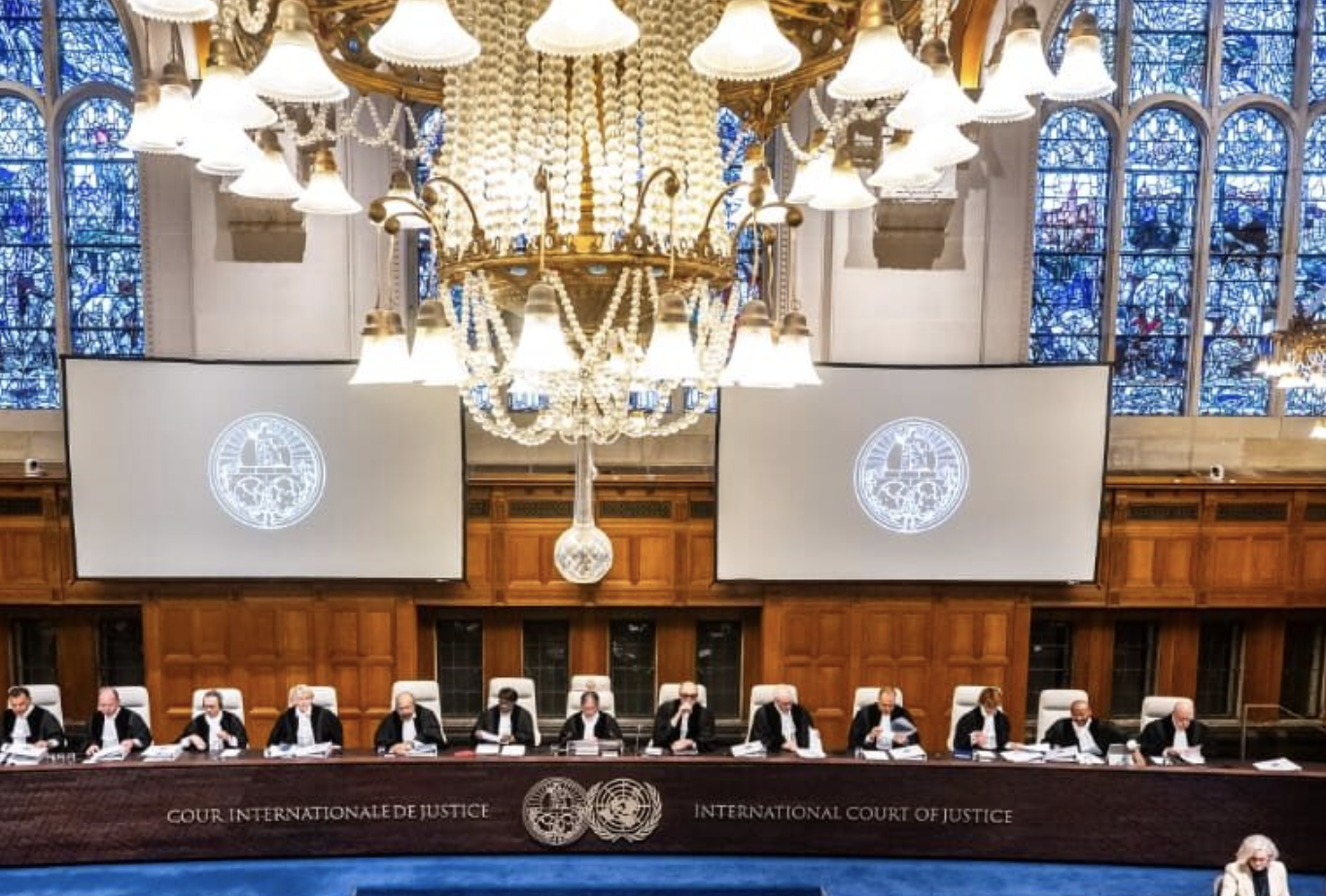
Rohingya genocide: witnesses offer harrowing accounts at the World Court
Today, the judges of the International Court of Justice (ICJ) have completed the three weeks full merits hearings on the case of the Rohingya genocide, opposing The Gambia to Myanmar. The judges have heard arguments of both sides and, in what is rare for an inter-State proceeding, directly from Rohingya witnesses, some of whom traveled from the camps in Cox’s Bazar, Bangladesh. These victims have been supported by Legal Action Worldwide (LAW), to ensure inclusion and participation of Rohingya in international justice mechanisms.
Read the full storyLatest Reports on Rohingya Crisis
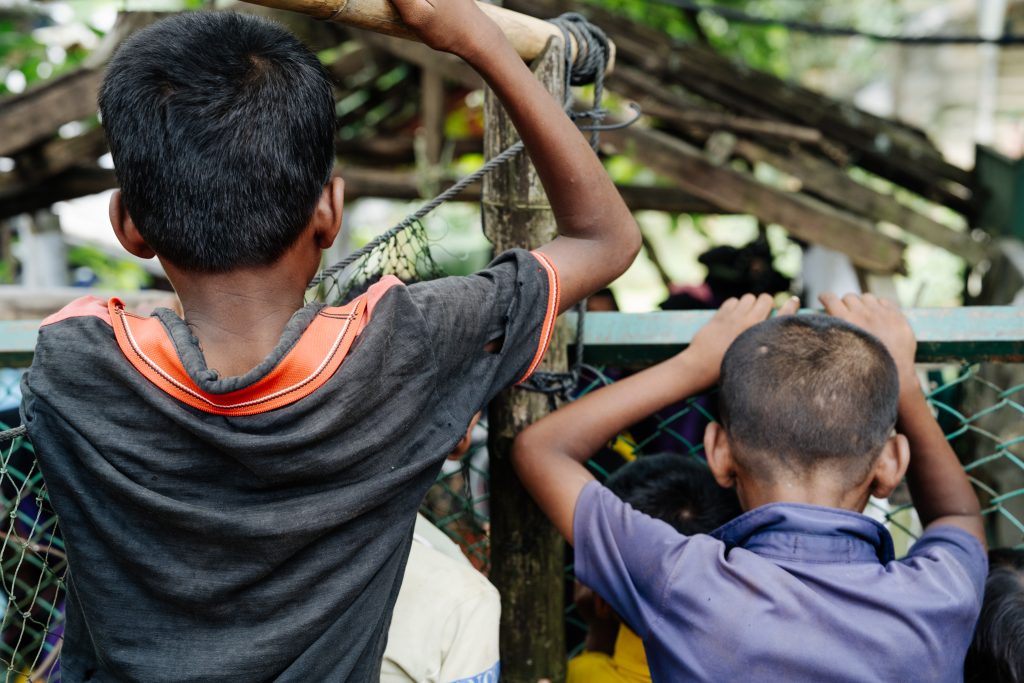
“They Wanted to Erase Us”: The Lasting Impact of Genocide on Rohingya Children
The first thing many Rohingya children remember of the 2017 genocide in Myanmar is death. For some, it was the sound of soldiers kicking down…
Download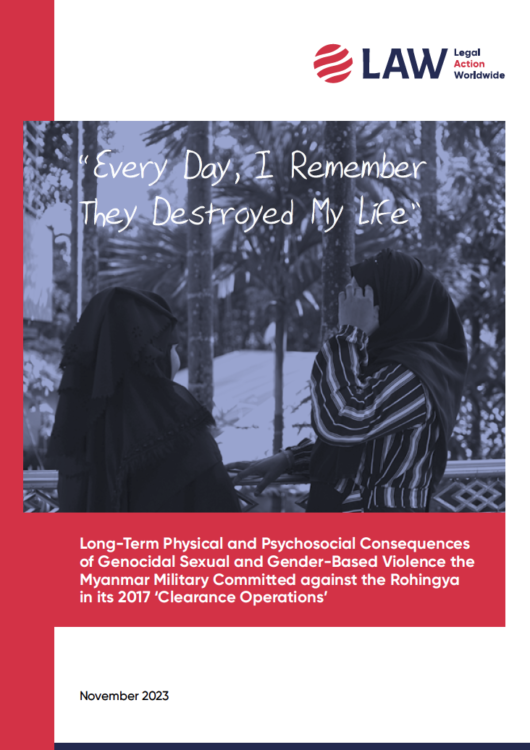
Research Report: “Every Day, I Remember They Destroyed My Life”
“Every Day, I Remember They Destroyed My Life” Long-Term Physical and Psychosocial Consequences of Genocidal Sexual and Gender-Based Violence the…
Download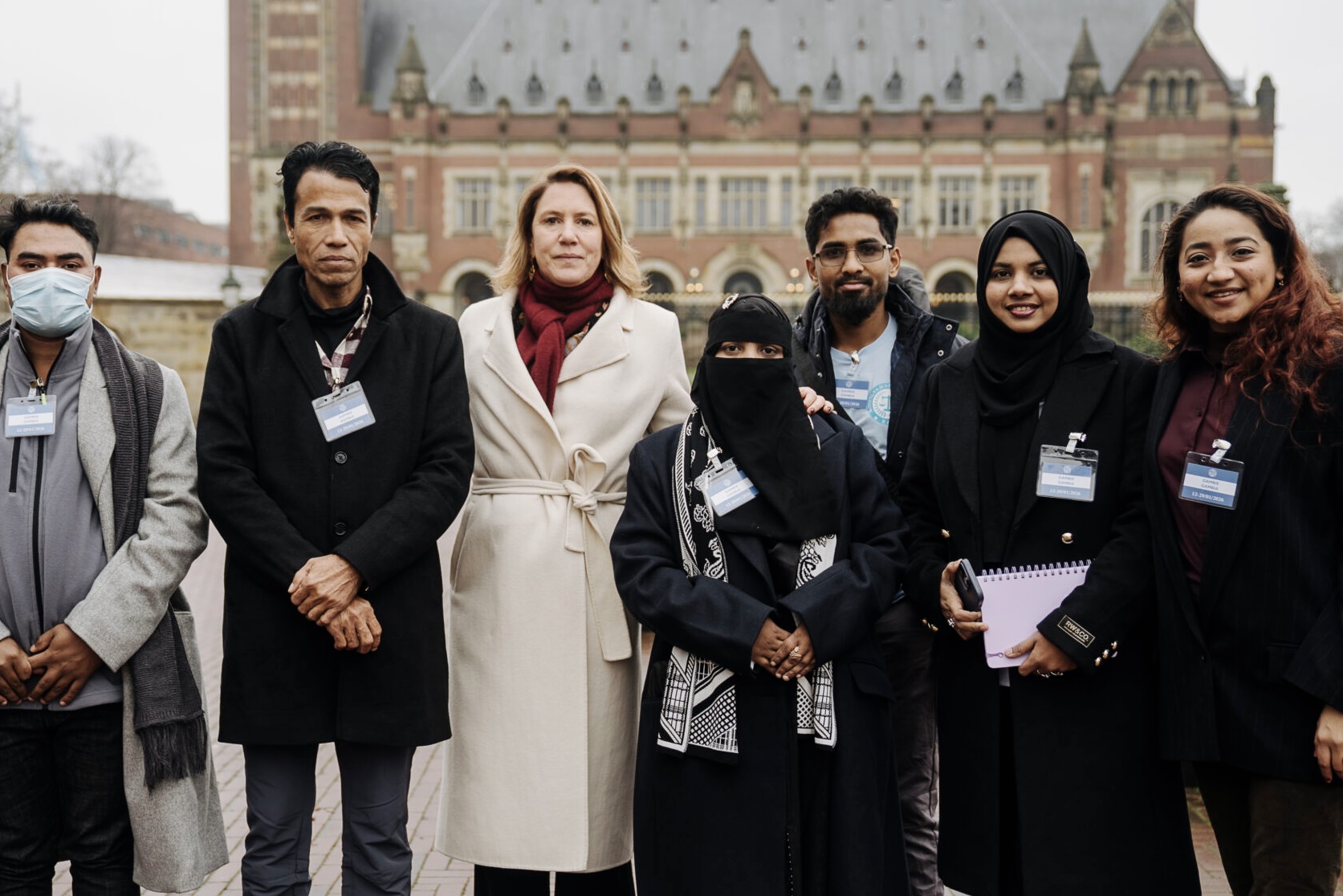
Voices from the Frontline — Rohingya Crisis
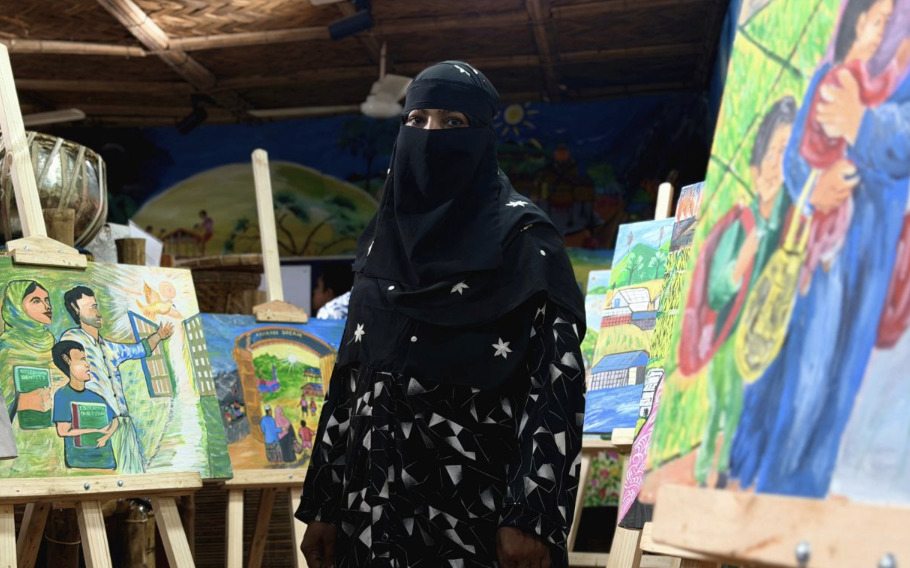
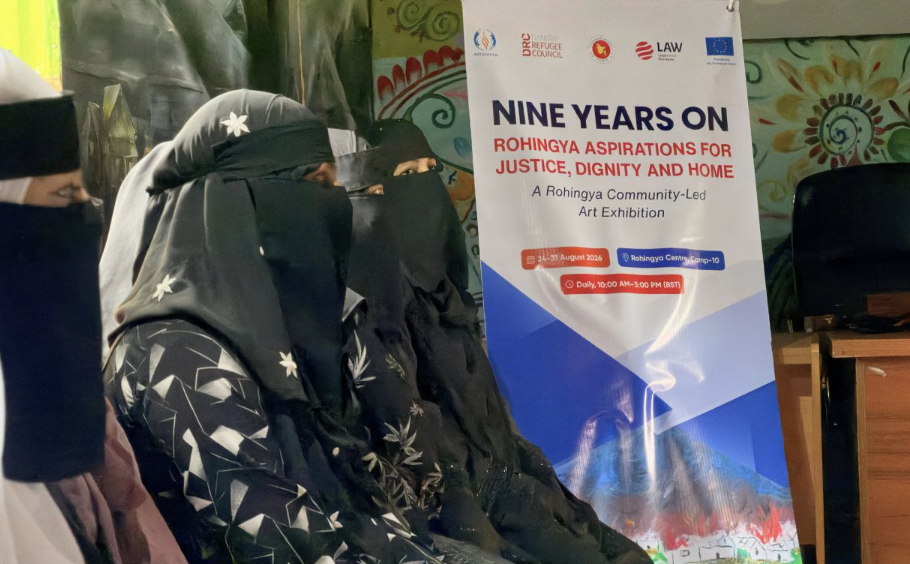
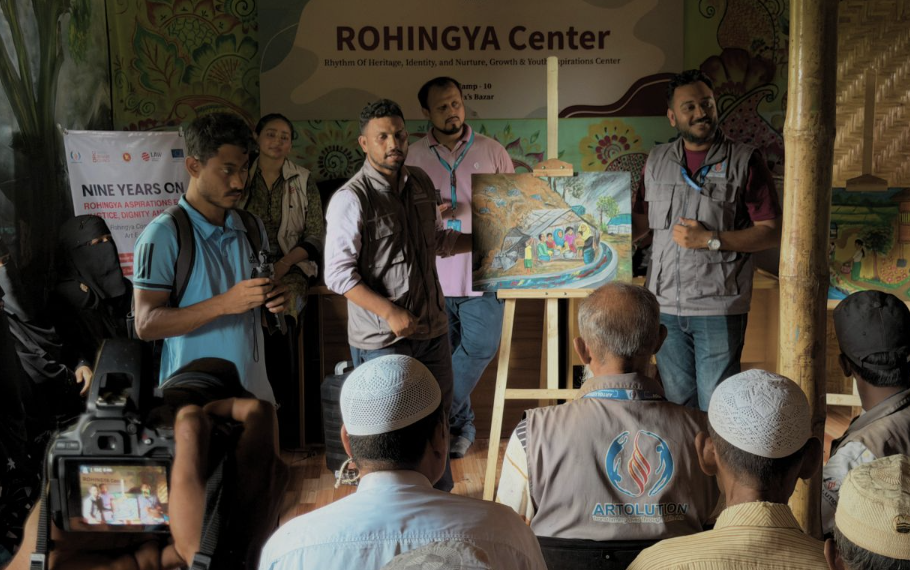
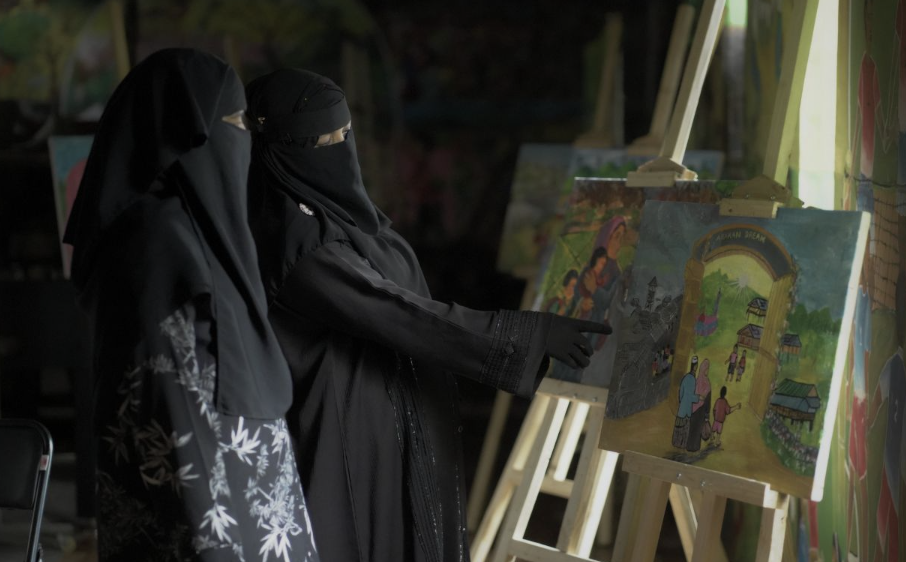
"The exhibition shows how we lived in Myanmar and the memories we continue to carry. Some are painful, but they are part of our history. We want our children to remember where they come from, and we hope for a future where we can return home safely, with dignity and justice."