oPt/Israel
oPt/Israel
LAW has worked on occupied Palestine since its foundation in 2013, and remains one of very few organisations that brings Palestinian, Israeli and international legal experts into the same room. Each year LAW chairs a closed door roundtable of legal experts, and it supports strategic cases connected to Palestine in jurisdictions around the world, including challenges before Israeli courts.
LAW represents Palestinians who have experienced serious violations before judicial fora, provides legal support to aid workers, children and victims of corporate misconduct, and trains lawyers and activists to document violations and build cases. In a context where impunity has enabled further violence, LAW’s role is to keep creative legal avenues open and to make sure Palestinian claims reach the mechanisms that can hear them.
Latest on oPt/Israel
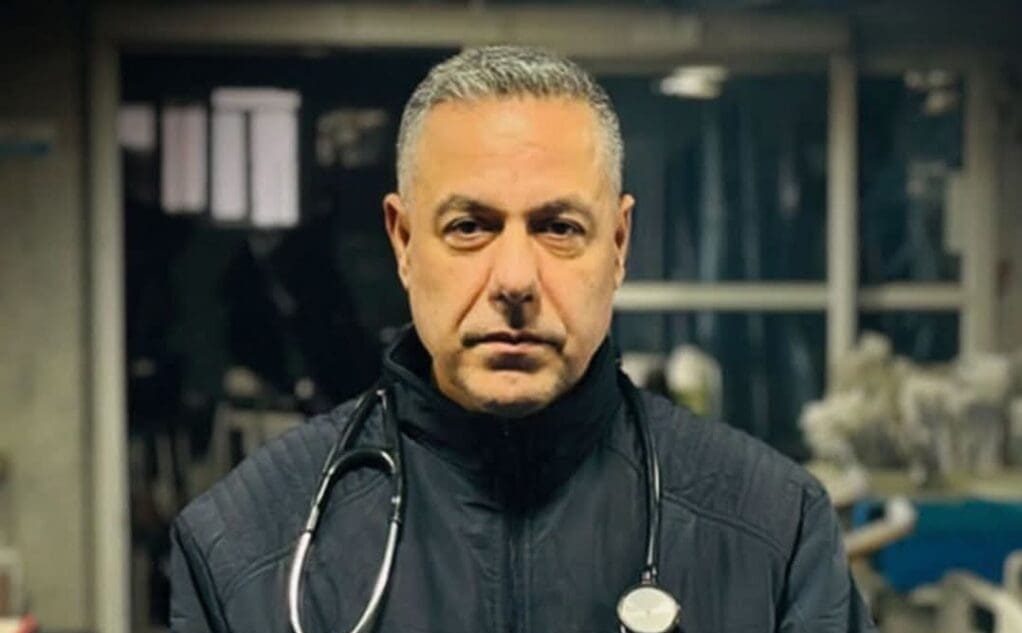
Gaza – Prominent doctor at imminent risk of death following torture in Israeli prison
PRESS RELEASE 6 July 2026 Geneva (LAW) –Dr. Hussam Abu Safiya is at imminent risk of death due to prolonged torture…
Read More
Gaza – Prominent doctor illegally detained by Israel placed in isolation
Press Release – 6 June 2026 Geneva (LAW) — Legal Action Worldwide is alarmed by reports that Dr. Hussam Abu…
Read More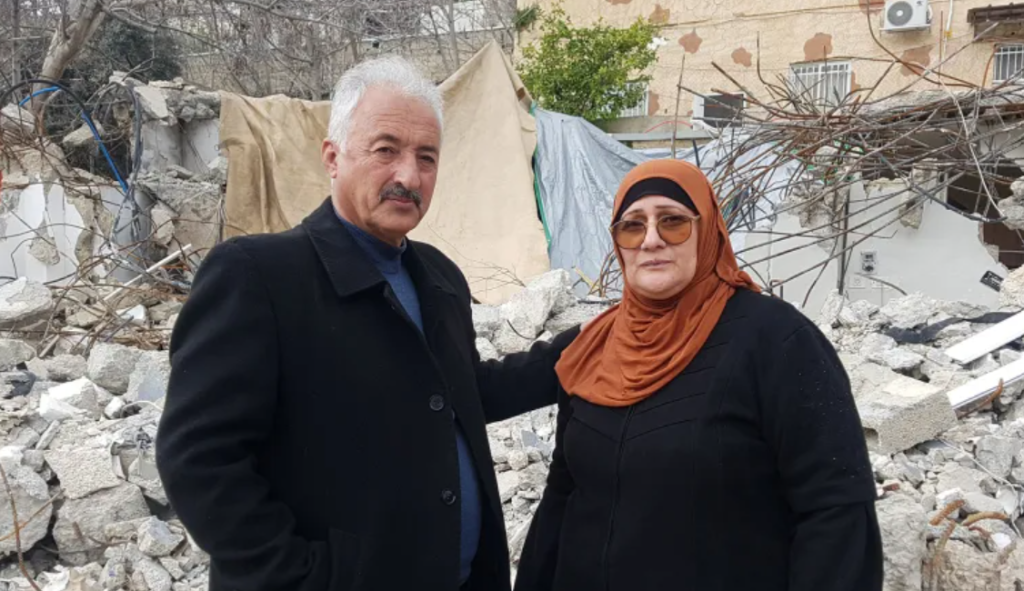
The Right to a Home: how one family is challenging the discriminatory laws that justify Israel’s demolition of Palestinian homes in East Jerusalem
Following a complaint filed by Legal Action Worldwide (LAW) and partners, the UN Special Rapporteur on the Right to Adequate Housing found that the demolition of Abu…
Read MoreWhat we do in oPt/Israel

Gender Equality & GBV
LAW works with local partners to understand and document the gendered impacts of the occupation and the ongoing armed conflict, and to ensure those impacts are reflected in legal and advocacy submissions rather than treated as secondary. In 2025 LAW supported Fahkri and Amina Abu Diab, community leaders from East Jerusalem whose home was destroyed by Israeli police, in their communication to the UN Special Rapporteur on the Right to Adequate Housing.

Accountability & Rule of Law
LAW identifies and collates key legal developments and analysis on Palestine, publishing them openly, and provides high level technical assistance to human rights organisations and humanitarian actors on the ground. This has ranged from targeted input into case files to advice on providing legal assistance where doing so risks cutting across humanitarian principles. LAW’s convening work exists to develop litigation initiatives that can proceed even as international accountability mechanisms stall.

Justice for Child Victims
Children in Gaza and the West Bank have borne an extraordinary share of the harm caused since October 2023. LAW provides legal support to children affected by the conflict and works to ensure that the specific ways children experience displacement, detention, injury and bereavement are recorded and recognised by the courts and mechanisms examining the situation.

Accountability for Aid Workers
Aid workers in Gaza and the West Bank have been injured and killed while protecting others, and prosecutions remain almost non existent. LAW provides legal advice and representation to humanitarian personnel and their organisations in this context, and has publicly challenged decisions clearing those responsible for killing aid workers. It also represents detained medical personnel, including a prominent Gaza doctor held and tortured in an Israeli prison.
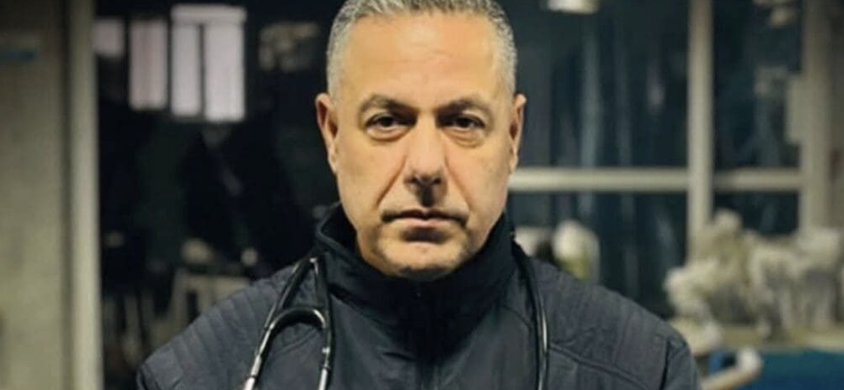
Prominent doctor at imminent risk of death following torture in Israeli prison
Dr. Hussam Abu Safiya is at imminent risk of death due to prolonged torture and mistreatment in Israeli detention. During a visit with his lawyer on Thursday, Dr. Abu Safiya bore fresh and severe injuries to his head, around his eyes, and to his ears and neck, to the extent that he was initially difficult to recognise.
Read the full story
Voices from the Frontline — oPt/Israel
"The police arrived in the morning, sealed off the area, and stormed the house brutally. It felt like they came to kill us, not just demolish our home. My wife, children, and I were forced outside as the bulldozers moved in, destroying everything. They erased our past, our memories, and our future. Can one sleep peacefully after being uprooted from the place that holds their most beautiful memories?"